Leak Detection and Pipe Repair
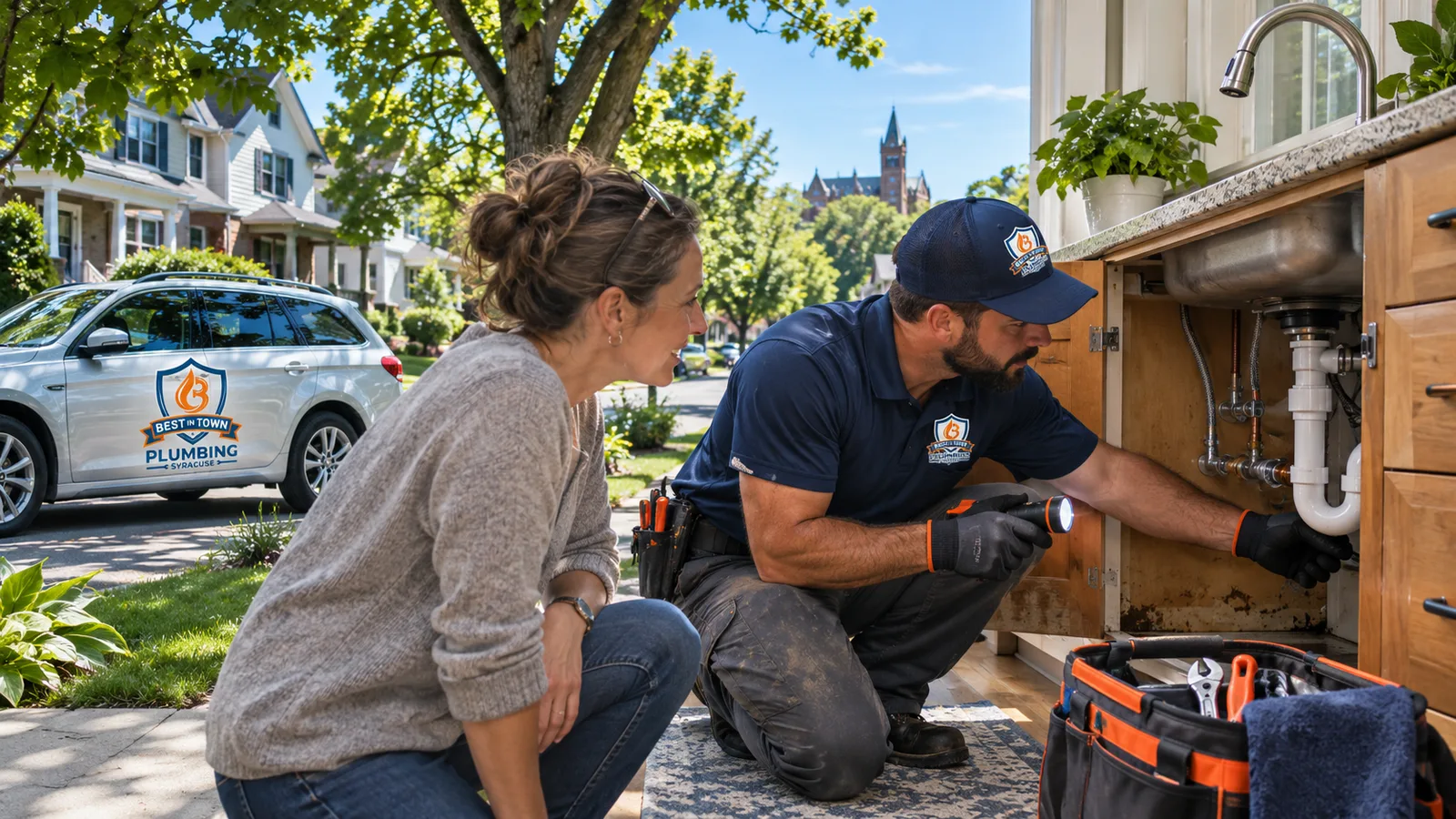
A contractor can trace visible or suspected leaks at fixtures, valves, supply lines, drain connections, and accessible piping. The source should be confirmed before finishes are opened or parts are replaced.
Serving Syracuse, New York & surrounding areas
Calls answered around the clock
Plumbing service in North Syracuse
One call connects you directly with a local plumbing contractor who serves your area.
Plumbing needs and scope
Searching for plumbers in North Syracuse often starts with a leak, a drain that will not clear, a fixture that needs replacement, or a water heater that is no longer working properly. The next step should be simple. We connect callers with plumber contractors serving the Syracuse area who handle residential and commercial plumbing work. You speak with the contractor directly, discuss the plumbing concern, and decide whether to proceed.
A plumbing contractor may work on water supply lines, drain and vent piping, shutoff valves, faucets, toilets, sump pumps, garbage disposals, and water heaters. The right approach depends on what is failing and why. A dripping faucet may need a cartridge or valve repair, while water beneath a sink can come from a supply connection, trap, drain basket, or damaged pipe. A recurring clog may point to buildup in a branch drain or a restriction farther along the line.
Cold winters in Central New York make pipe protection especially important. Water left in an exposed or poorly insulated pipe can freeze and expand, which may split the pipe or separate a fitting. Contractors may examine plumbing near exterior walls, crawl spaces, garages, and other cold areas when freeze damage is suspected. In established communities such as North Syracuse and nearby Mattydale, existing homes can also contain a mix of older and newer piping, fixtures, and shutoff valves. Identifying those materials helps the contractor choose compatible repair parts and plan any replacement work.
Repairs, fixtures, and equipment
A contractor can trace visible or suspected leaks at fixtures, valves, supply lines, drain connections, and accessible piping. The source should be confirmed before finishes are opened or parts are replaced.
Drain work can involve removing a local blockage, cleaning a branch line, or inspecting a recurring problem with a drain camera. Chemical drain products can damage some piping and may not address a deeper obstruction.
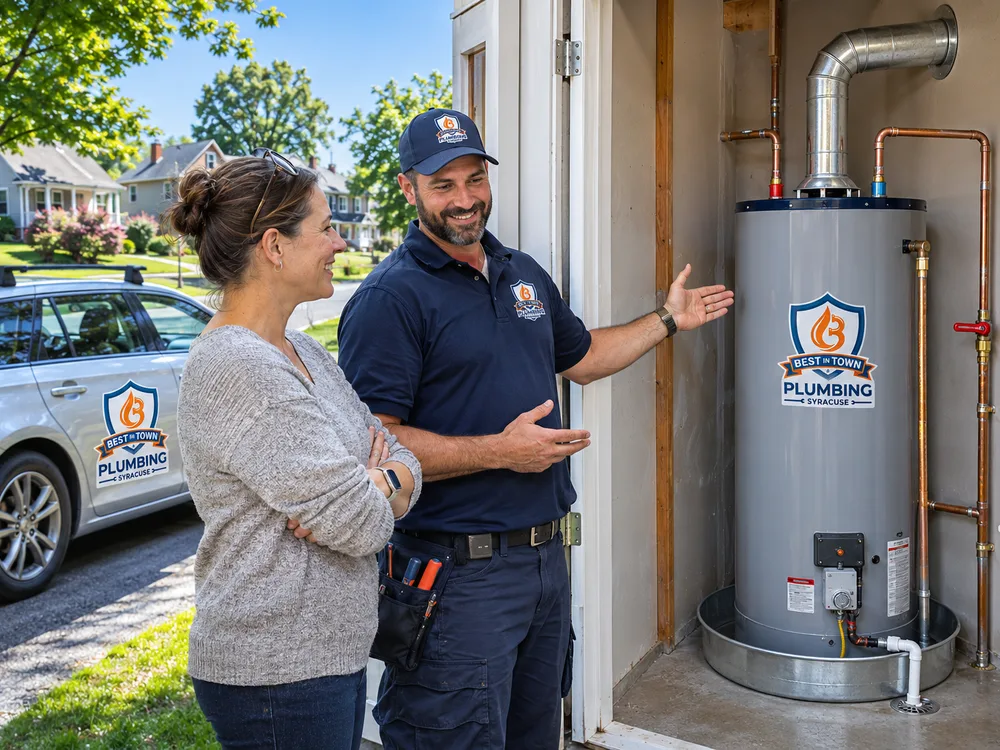
A contractor can assess tank and tankless units for leaks, temperature problems, failed controls, venting concerns, corrosion, or loss of hot-water capacity. Repair or replacement depends on the unit and the fault.
Faucets, toilets, sinks, disposals, and other fixtures must fit the existing connections. The contractor may also check shutoff valves, seals, supply tubes, drainage, and fixture support.
A sump pump assessment can cover the pump, float switch, check valve, discharge line, and available power. Testing the complete discharge path matters because a working pump cannot overcome a blocked or frozen outlet.
When a kitchen, bathroom, or utility area changes, plumbing work may include relocating supply and drain lines, adding valves, connecting fixtures, and coordinating required permits with the appropriate local authority.
Three direct steps
Step 1 of 3
Call the number shown and enter your ZIP code.
Step 2 of 3
You are connected directly with a local plumbing contractor who serves that ZIP. There is no form or intake conversation with a middleman.
Step 3 of 3
Discuss the plumbing work with the contractor, ask about the proposed approach and quote, and choose whether to move forward.
Skip the search through multiple plumbing listings. One call connects you with a local contractor who handles leaks, drains, fixtures, pipes, water heaters, and related plumbing work.
CALL NOW: +1 315 640 3561Work and material details
Before approving plumbing work
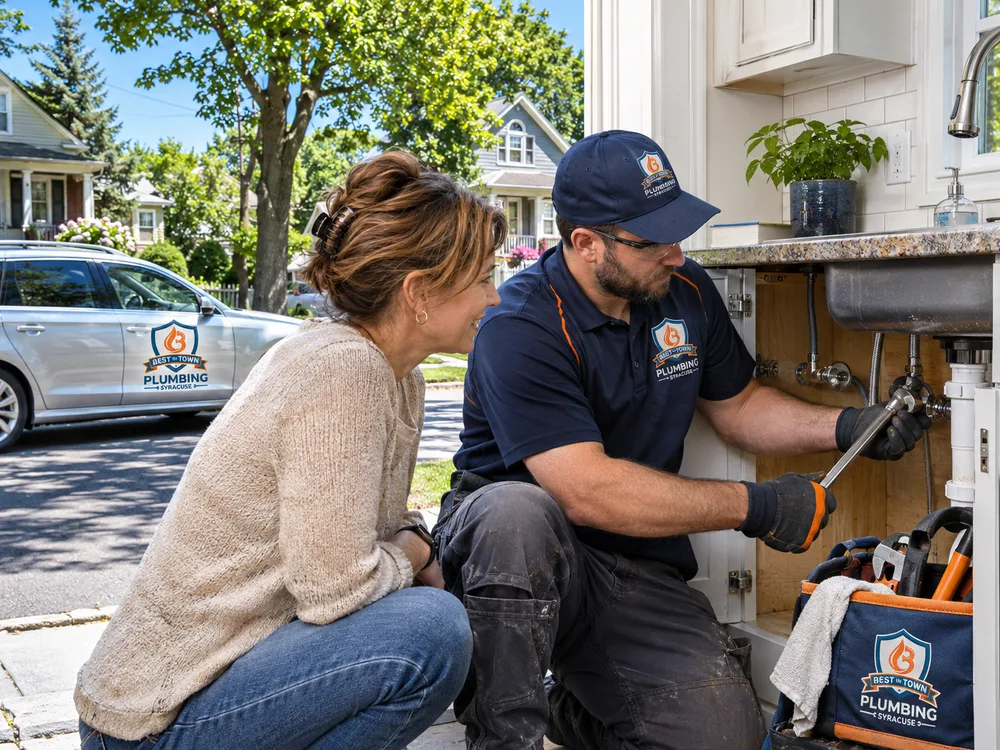
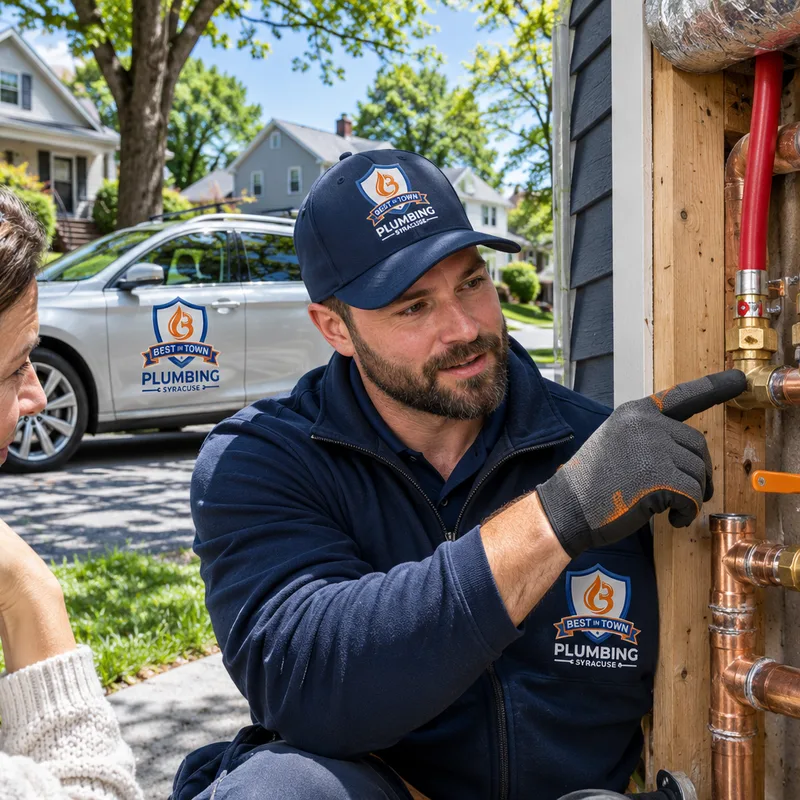
The contractor should first identify the leak source, pipe material, pipe size, and condition of the surrounding fittings. Copper, PEX, PVC, CPVC, cast iron, and galvanized steel require different repair methods. Access, nearby shutoff valves, and signs of broader corrosion can also affect whether a small repair or a longer pipe replacement makes sense.
Repeated backups, several slow fixtures, gurgling drains, or water rising in another fixture can indicate a restriction beyond a single trap. A contractor may recommend mechanical cleaning, hydro jetting where appropriate, or a camera inspection. The contractor should explain where the blockage appears to be and why the proposed method fits the piping.
A leak from a valve or threaded connection may be repairable, but water escaping from a corroded tank generally points toward replacement. The contractor will also consider the unit's condition, fuel or power source, venting, controls, and hot-water demands. Ask which components failed and whether the quote changes any related piping or valves.
Water may need to be shut off to one fixture, one branch, or the whole building, depending on the job. The contractor should explain access needs, which fixtures will be unavailable, whether walls or cabinets must be opened, and who handles finish repairs. Drain work may also require access to a cleanout or removal of a trap.
Permit requirements depend on the location and scope of the work. A direct fixture swap may be treated differently from moving piping, replacing a water heater, or changing plumbing during a renovation. Ask the contractor which authority has jurisdiction for the property and whether the proposed work requires a permit or inspection.
Ask what is included, which materials or fixtures will be used, whether access and finish repairs are part of the scope, and how unexpected damage will be handled. The contractor should also explain payment terms and any manufacturer or contractor warranty terms in writing. You receive the quote directly from the contractor and decide whether to accept it.
Shut off the water if it can be done safely and keep clear of electrical equipment exposed to water. Avoid using an open flame to thaw a pipe. A contractor can locate the damaged section, assess nearby fittings, and discuss repair along with insulation or other measures that may reduce future freezing risk.
One call is the next step
Call and get connected directly with a contractor who serves North Syracuse and the surrounding area. Discuss the plumbing concern, receive the contractor's quote, and decide what happens next. Calls are answered around the clock.